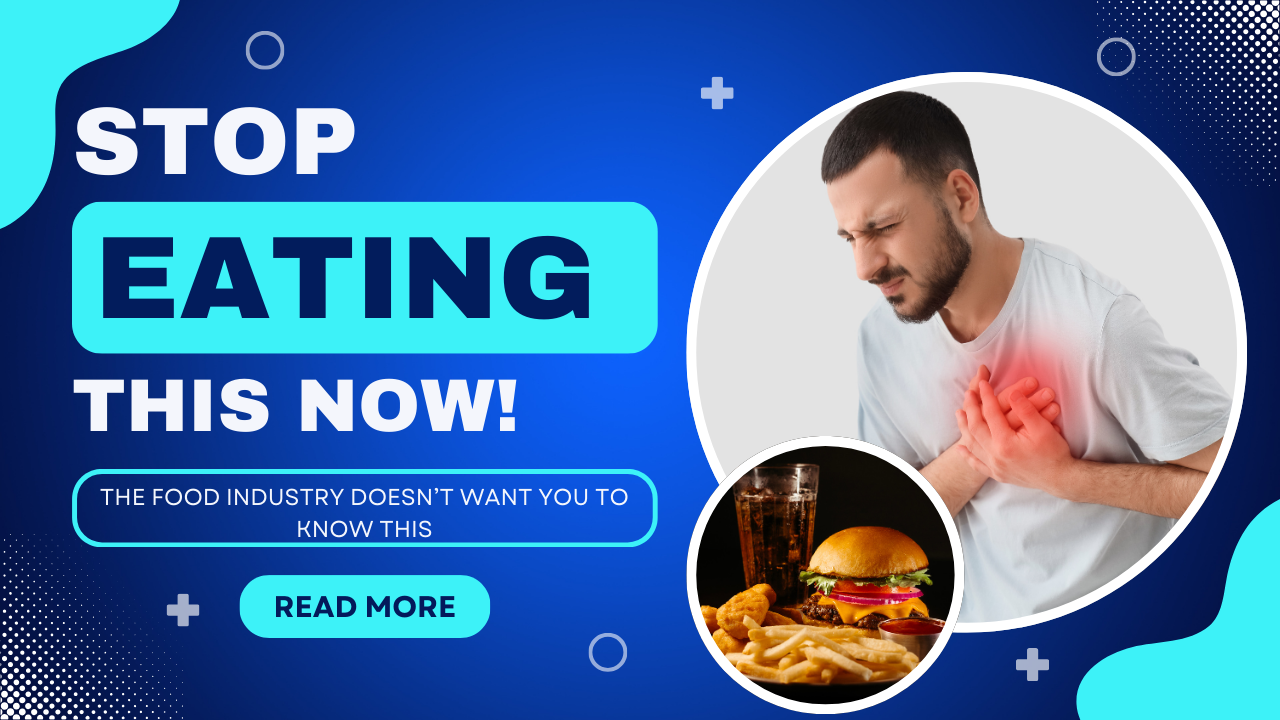
Ultra-Processed Foods: The Hidden Health Threat Everyone Is Talking About in 2025
Over the past year, “ultra-processed foods” (UPFs) have become one of the most discussed health topics worldwide. Governments are reviewing food-label laws, influencers are running “no-UPF challenges,” and new studies link UPFs to long-term health problems. But why has this become such a massive trend—and what does it mean for your everyday eating habits?
This blog breaks down everything you need to know about the rise of UPFs, why they’re trending, and how they affect your body.
What Are Ultra-Processed Foods?
Ultra-processed foods are products that go through multiple industrial processes and contain ingredients you normally wouldn’t cook with at home.
They often include:
- Artificial sweeteners
- Flavor enhancers
- Emulsifiers
- Preservatives
- Synthetic colors
- Chemical stabilizers
Common UPFs include chips, packaged snacks, soft drinks, instant noodles, frozen meals, flavored yogurts, sweetened cereals, energy bars, and fast food.
Why UPFs Are Trending in 2025
Several new studies and documentaries have pushed UPFs into global conversation. Many show that UPFs affect not just physical health but also mood, sleep, and hunger regulation.
Key reasons for the trend:
- Higher link to obesity and metabolic disorders
- New research linking UPFs to anxiety and depression
- Influencers pushing “clean eating” challenges
- Governments discussing warning labels on packaged foods
- People noticing energy crashes and bloating linked to UPF-heavy diets
UPFs are now considered the “new sugar crisis”—something people consumed without thinking, until evidence became too big to ignore.
How Ultra-Processed Foods Affect Your Health
Here are the major ways UPFs impact your body:
1. Disrupt Your Metabolism
UPFs are often high in sugar, refined carbs, and unhealthy fats. These combinations spike insulin levels and promote fat storage.
2. Increase Cravings (by Design)
Manufacturers use flavor enhancers and chemical additives to make you crave more—leading to overeating.
3. Harm Gut Health
Studies show emulsifiers and artificial sweeteners disrupt the gut microbiome, causing bloating, inflammation, and digestive issues.
4. Affect Mood and Sleep
UPFs can influence serotonin and dopamine levels, contributing to anxiety, low mood, and sleep disturbances.
5. Raise Long-Term Health Risks
Regular UPF consumption is linked to:
- Heart disease
- Type 2 diabetes
- Obesity
- High blood pressure
- Chronic inflammation
Why People Are Trying “No UPF Challenges”
Online challenges such as “30 Days No UPF” are trending because people report noticeable benefits:
- Better digestion
- Clearer skin
- Stable energy levels
- Reduced bloating
- Better sleep
- Fewer cravings
Even reducing UPFs—not eliminating them—can significantly improve day-to-day wellbeing.
How to Reduce UPF Consumption Easily
You don’t need to overhaul your diet overnight. Start small:
1. Swap One Snack
Replace chips or cookies with fruit, nuts, yogurt, or homemade snacks.
2. Read Labels
If the ingredient list sounds like a chemistry experiment, skip it.
3. Eat “Single-Ingredient Foods” More Often
Think eggs, oats, fruits, vegetables, whole grains, fish, and lean meat.
4. Cook More at Home
Even 3–4 home-cooked meals a week can drastically lower UPF intake.
5. Hydrate Properly
Drink water or homemade drinks instead of packaged sugary beverages.
Can You Eat UPFs Occasionally?
Yes—completely cutting out UPFs is unrealistic.
The goal isn’t zero UPFs, but less dependency on them.
Moderation is key.
A practical rule:
Aim for 80% whole/minimally processed foods and 20% flexible eating.
Final Thoughts
Ultra-processed foods are trending for a reason—they’ve silently become a major part of our daily diet and play a huge role in long-term health. Small changes in awareness, food choices, and habits can dramatically improve your energy, digestion, and mood in just a few weeks.